Menu Close

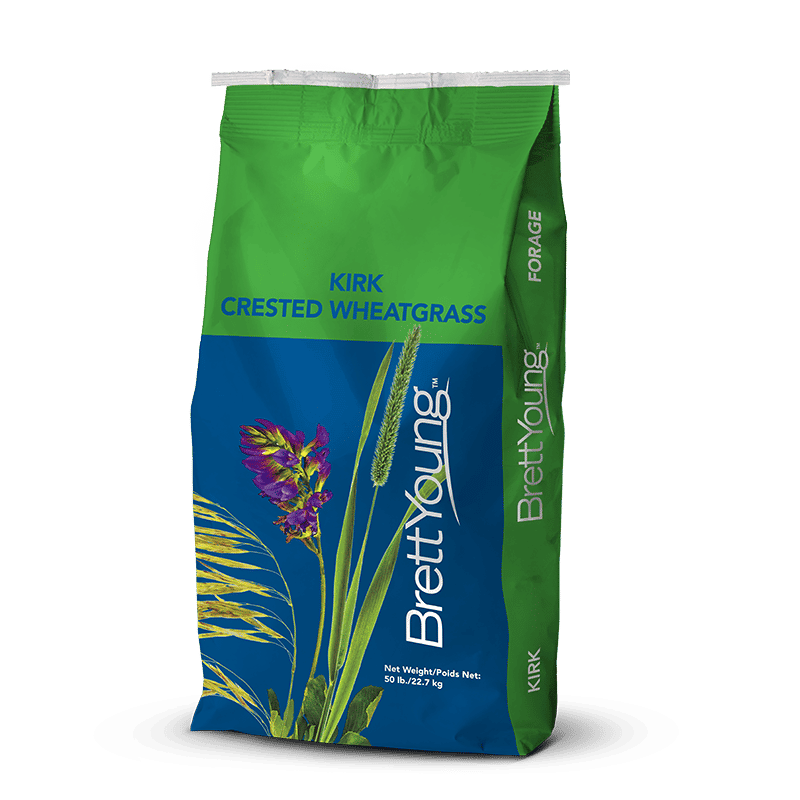
Kirk Crested Wheatgrass

  • Tetraploid type selected for vigour, yield and overall plant stature
  • Improved forage yield over Nordan and Fairway
  • Bred for the harsh Canadian environment
  • Most widely used variety of crested wheatgrass in Western Canada


Characteristics
Variety Kirk
Use Hay & Pasture
Root Habit Bunch-grass
Plant Type Basal
Preferred Growing Conditions Widely adapted; does best in medium to coarse well drained soils
Production Period Early Spring
Key Features
  • Tetraploid type
  • Suitable for hay or pasture
Limitations
  • Forage quality drops quickly after heading
Approx. Seeds/lb 195,000
Seeding Rate lb/acre 10-15


Environmental Tolerances
Winter Hardiness Excellent
Drought Tolerance Excellent
Flooding Tolerance Low
Optimum PH 6.6 – 8.4
Acidity Tolerance Low
Alkalinity Tolerance Moderate to  High
Salinity Tolerance Low to Moderate
Farmer on the phone
Contact Us

You may also like…

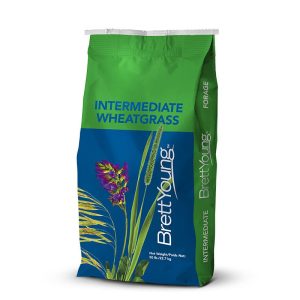
  • Intermediate Wheatgrass

    Intermediate Wheatgrass

    View Product

    • Prefers well drained soils with adequate moisture
    • Produces excellent pasture yields
    • Short-lived under intensive use
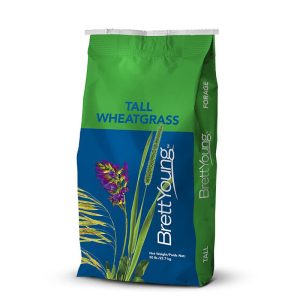
  • Tall Wheatgrass

    Tall Wheatgrass

    View Product

    • Adapted to poorly drained alkali soils; prefers a high-water table
    • Very tolerant of saline soil conditions
    • Coarse leaves have lower palatability
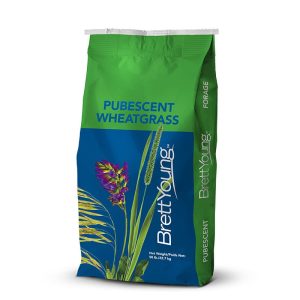
  • Pubescent Wheatgrass

    Pubescent Wheatgrass

    View Product

    • Widely adapted; prefers well drained soils with adequate moisture
    • Produces good yields of high quality
    • Include other grass or alfalfa components in a blend to maximize forage production
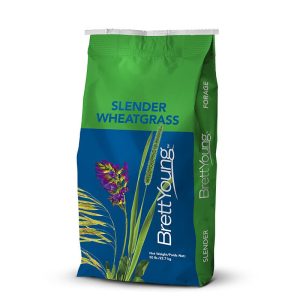
  • Slender Wheatgrass

    Slender Wheatgrass

    View Product

    • Adapted to a wide range of soils; prefers well drained loamy soils
    • Rapid establishment, good palatability and feed value in spring and early summer for livestock
    • Short-lived perennial with a lifespan of 3-5 years
Click outside to hide the comparison bar
Compare
Compare ×
Compare Close